Driving in your neighborhood on your bike could be highly dangerous. Approximately 90% of urban motorcycle accidents are caused the other driver not by the motorcyclist. Riding with your headlights on is very important to being seen. Bright colors or reflective stripes can help a lot.
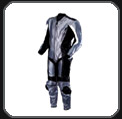
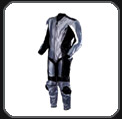
For those of us who are into styling, there are some great looking motorcycle clothing on the market these days. However, not all of the motorcycle clothing offers as much protection as you think. Protective motorcycle clothing are not created equal. In Europe, they have a standard for motorcycle clothing. For it be lawfully sold as "safety" clothing, it has to pass a series of European standards and bear the CE mark, which are pretty lengthy. How does the clothing performance hold up in abrasion, tearing and impact tests. Once they pass the test, then the manufacturer are allowed to sell the motorcycle protective clothing with the CE mark. Unfortunately, USA has no such regulation is available in the USA. Cheer up, all is not lost. Just requires you to pay attention to what you are buying.
Research suggests that majority of bike accident deaths could have been avoided if the rider had worn protective gears like the helmet or the motorcycle jacket. Motorcycle jackets or motocross jerseys help to minimize the severity of injuries thus emphasizing their utilities.
Motorcycle jackets can be effective safeguards against serious injuries. These jackets are lined with foam and padding in the high impact areas like shoulders, and elbows. Being the only obstacle between the ground and the body (in case the vehicle crashes), these jackets offer adequate protection against severe injury and abrasion.
Not many people realize that most motorcycle injuries occur below the belt. You love your legs and feet but when you are riding a motorcycle, the are extremely vulnerable to injuries. Make sure you wear a decent pair of high boots and protective pants. Leather, thick leather is a good choice. Check the pants for reinforcement at the knees and hips. The better safety pants should attach to your jacket by a zipper. Boots should be thick leather, with a sole that can flex with the foot but has a resistance to crushing across the foot. Heard of steel toe shoes? Well not a bad ideal for when you are riding.
The history of material normally used for motorcycle protective clothing has been leather. The thick nylon and other synthetic materials will work well too. Look into Kevlar reinforced jeans which hold up much better than normal jeans while skidding across asphalt at 70 m.p.h. Here is an interesting fact. According to the European standard abrasion test, normal jeans last 0.6 seconds, while protective motorcycle pants will last 5 seconds or more. Think about 5 seconds of protection versus about 0.5 seconds. If you have to think very hard, you have been riding your motorcycle without a helmet again. Go with the Kevlar protected, re-enforced jeans.
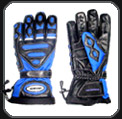
Want to keep those fingers looking good and attached? You must have a decent pair of gloves. When you fall, you instinctively put out your hands palm side down to stop yourself in a slide, so the palms of your gloves should made of thick leather or knitted Kevlar and reinforced with patches. Knitted Kevlar is especially good for this kind of abrasion resistance, but reinforced leather works well too.
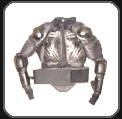
That old saying it only hurt when I stop. Well, apply that saying to when you hit the pavement. Impact protection can be bought separately like back protectors. If you buy it, make sure you wear it. Depending on your personality, it might be best motorcycle protective clothing with a degree of impact protection included so that you know when you put on your jacket and pants, the protection is there and you don't have to remember to put it on.



 Posts
Posts


